- April 15, 2026
- By Tess
- In Engine Maintenance, Powerstroke, truck problems, Truck Repair
- Tags 6.7L Ford Powerstroke, black death, Bosch CP4, Bosch CP4.2, CP4 Death, CP4 Fuel Pump, Ford Powerstroke, Powerstroke
- 173
- 0
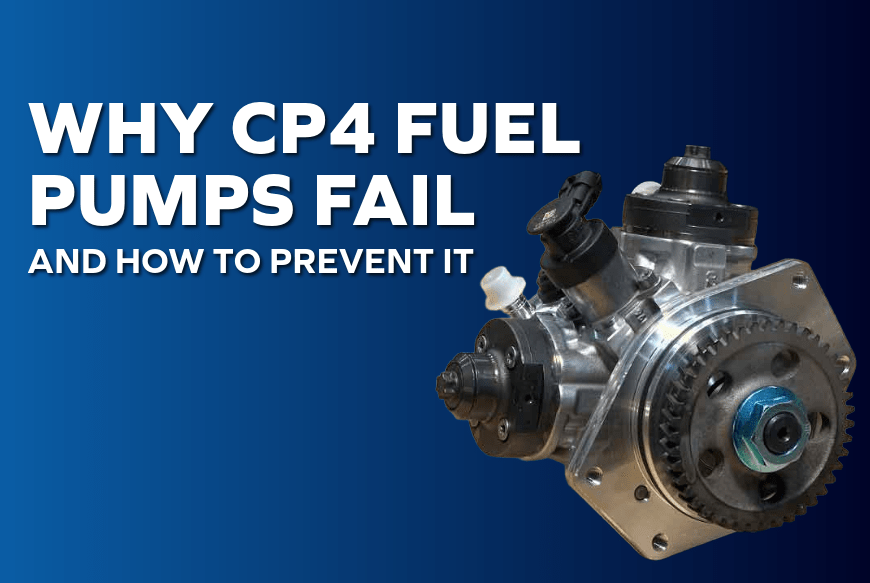
If you own a 2011–2024 Ford Super Duty, you likely love the torque and towing power of the 6.7L Powerstroke. But there is a silent “villain” lurking under the hood that has kept diesel owners and fleet managers awake at night for over a decade: The Bosch CP4 High-Pressure Fuel Pump.
At Beyer Motorsports, we’ve seen this story play out too many times. What starts as a normal drive through Cedar Falls ends with a stalled engine, a massive repair bill, and a truck that is “dead in the water.”
In this guide, we’re breaking down why the CP4 fails, the warning signs of “Black Death’s” fuel-system cousin, and how you can prevent a $10,000 catastrophe.
The Bosch CP4.2 was designed to be more efficient and weigh less than its predecessor, the CP3. However, it relies entirely on diesel fuel for lubrication.
The “Disaster” happens when the internal cam bucket turns sideways. Instead of gliding, it begins to grind against the cam. This creates a “metal shower” of fine steel shavings that are pumped directly into your high-pressure fuel rails, lines, and, most importantly, your expensive fuel injectors.
While the CP4 is used globally, it is particularly sensitive to North American diesel fuel.
Unlike some mechanical issues that give you weeks of whining sounds, the CP4 often fails suddenly. Watch for these “Red Alerts”:
You don’t have to trade in your truck to avoid this disaster. There are three proven ways to “bulletproof” your 6.7L Powerstroke fuel system:
This is the single most important upgrade for a 6.7L owner. A bypass kit ensures that if the pump does fail, the metal shavings are diverted back into the fuel tank and caught by the filters, rather than being forced into the injectors and fuel rails. It turns a $10,000 repair into a $2,000 repair.
Since the CP4 thrives on lubrication, using a high-quality fuel additive (like Stanadyne or Hot Shot’s Secret) at every fill-up adds the “slickness” the pump needs to prevent internal grinding.
Don’t stretch your service intervals. Clean fuel is the only thing keeping that pump alive. We recommend OEM Ford filters changed every 10,000 to 15,000 miles, depending on your towing frequency.
Whether you’re running a single work truck or a commercial fleet, the CP4 pump is a variable you can’t afford to ignore. At Beyer Motorsports, we specialize in Powerstroke diagnostics, CP4 bypass kit installations, and complete fuel system recoveries.
Don’t wait for the “glitter” to appear in your filters.
References & Sources:
Bosch Mobility Solutions: High-Pressure Pump CP4 Technical Specifications
Ford Service Bulletin: 6.7L Powerstroke Fuel System Contamination Guidelines
Diesel World Magazine: The 6.7L Powerstroke Survival Guide


